
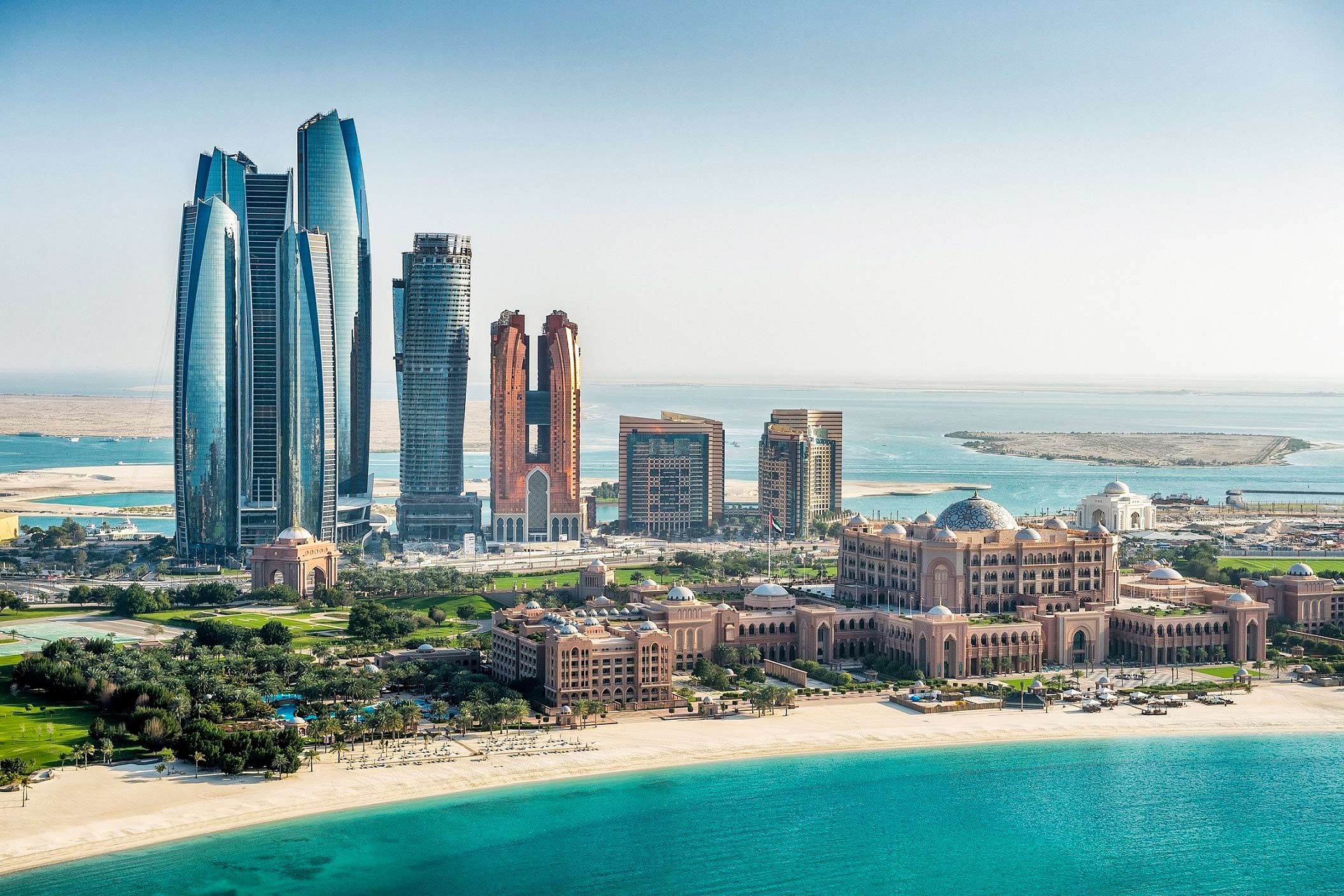
Smart and cognitive cities are reshaping urban life with efficiency. AI fine-tunes traffic, buildings respond in real time, and interconnected systems operate with precision. Yet this intense focus on optimization comes at a cost. The more efficient our cities become, the greater the risk they feel sterile, transactional, and disconnected from the people they serve. Efficiency alone does not create valuable cities.
At the same time, loneliness is rising globally, even in dense urban environments. Communities are fragmenting, and the human experience is often overlooked in the race for technological advancement. This is not just a social issue — it is a strategic risk. Developments and cities that fail to prioritize people ultimately lose their competitive edge and long-term value.
How Human-Centric Design Creates Measurable Value
Human-centric design in urban development focuses on shaping environments around how people live, move, and connect. It integrates spatial design, behavioral psychology, and community dynamics to ensure cities are not only functional, but livable.[1]
Key elements include biophilic design, walkable layouts, mixed-use developments that encourage 24/7 activity, cultural programming, and wellness-focused standards such as WELL certification. Together, these features move the emphasis from pure infrastructure performance to human experience.
From a business perspective, developments that prioritize human experience outperform those that focus solely on technical optimization. According to studies, these projects command 4–7.7% higher rents and achieve higher retention.1 Higher occupant satisfaction reduces turnover, while engaged communities drive increased foot traffic and economic activity. Districts with public spaces attract premium tenants and deliver long-term returns. An example is Hudson Yards in New York. Its public plazas, wellness amenities, and cultural programming helped maintain one of Manhattan’s lowest office availability rates at 7.6%.[2]
Smart developers and investors are recognizing that human-centric design is not a “soft” concept, but a strategy. In a competitive real estate landscape, the ability to create places where people want to stay—not just pass through—is a defining advantage.
AI as an Enabler of Human Connection
Artificial intelligence should be viewed as an enabler of human experience, not a replacement for it.
When applied effectively, AI reduces friction in urban life. Predictive transit systems improve mobility flow. Smart buildings respond to occupancy by optimizing comfort conditions. Urban analytics summit-malta-to-help-affiliates-unlock-new-growth-in-a-changing-landscape/”>help planners design environments that encourage interaction rather than isolation.
The result is not just greater efficiency, but a more responsive and adaptive environment. Residents experience greater comfort. Employees are more productive in spaces that adapt to their needs. Communities become easier to navigate and more intuitive to move through.
For business leaders, this translates into tangible financial returns: higher tenant retention, faster leasing, stronger rental premiums, and improved asset valuations in an increasingly human-centric market.
From Smart to Livable: A Leadership Opportunity
As smart-city technologies mature, the definition of livability is evolving. Livable cities are now judged by how effectively they support everyday human needs and experiences. Green spaces, abundant natural light, public art, shared courtyards, and thoughtfully designed plazas turn functional areas into organic settings for community.
Technology enhances these spaces quietly in the background. Adaptive systems adjust lighting, manage energy use, and optimize shared environments based on real-time demand. The goal is not technological showcase, but seamless support for human well-being.
This shift creates a significant leadership opportunity
Developers and investors who successfully align advanced technology with deep human needs can create districts that are both highly efficient and desirable, commanding premium positioning in the market.
Practical Leadership Strategies
Translating human-centric design into action requires intentionality. Real estate leaders, urban developers, and investors can adopt several strategies immediately:
- Design inviting public spaces that naturally encourage social interaction, including wide walkable streets and open plazas.
- Integrate culture, public art, and ongoing programming to transform spaces from purely functional to experiential and memorable.
- Deploy adaptive technologies that respond to human presence—such as smart lighting and responsive environmental systems—to make spaces more comfortable and alive.
- Incorporate greenery and biophilic elements throughout projects, from rooftop gardens to indoor plantings, to enhance resident experience while elevating the appeal of the development.
Projects incorporating these strategies are delivering strong financial results. According to a 2024 Harvard study, human-centric features, including natural views, improved lighting, and better air quality, allow developers to command $214–$225 higher monthly rents while delivering a 129% ROI over ten years.[3] Masdar City in Abu Dhabi shows this balance in practice, having evolved from a purely tech-focused model to include shaded walkable streets, courtyards, and biophilic design that enhance comfort in the desert climate.
Measuring Success: KPIs That Matter
Traditional smart city metrics focus on efficiency: traffic flow, energy consumption, and system optimization. While important, they do not capture how people experience a place.
Leaders are expanding this definition to include human-centric indicators such as engagement levels, tenant satisfaction, community participation, and overall well-being. These metrics reflect experience performance — an increasingly critical factor in long-term asset value.
Cities and developments that embrace this broader framework are better positioned to adapt, compete, and thrive in a rapidly changing world.
The Human-Centric Leadership Imperative
As the built environment becomes intelligent, the question is no longer what technology can do, but how it serves people. Intelligence alone is not the end goal. Business leaders must ensure these systems enhance how people live, connect, and thrive.
The next generation of successful developments will move beyond automation to create places that are both intelligent and human — where technology, design, and community come together to deliver stronger communities and superior long-term returns.
1 Sadikin, N
, Turan, I., & Chegut, A. (2020). The Financial Impact of Healthy Buildings. MIT Real Estate Innovation Lab. https://realestateinnovationlab.mit.edu/research_article/the-financial-impact-of-healthy-buildings/; International WELL Building Institute (IWBI). (2025). Investing in Health Pays Back (Second Edition). .https://www.wellcertified.com/health-pays-back/
2 CRE Daily, Hudson Yards Office Lease Sets 2025 Records (February 2026), supported by Deloitte’s 8,000 sq. ft. lease commitment.
3 Dandamudi, Vidyadhari (2024). Enhancing Tenant Well-Being: Financial Feasibility of Implementing Healthy Building Concepts in New Multi-Family Housing. Master’s thesis, Harvard University Division of Continuing Education.