
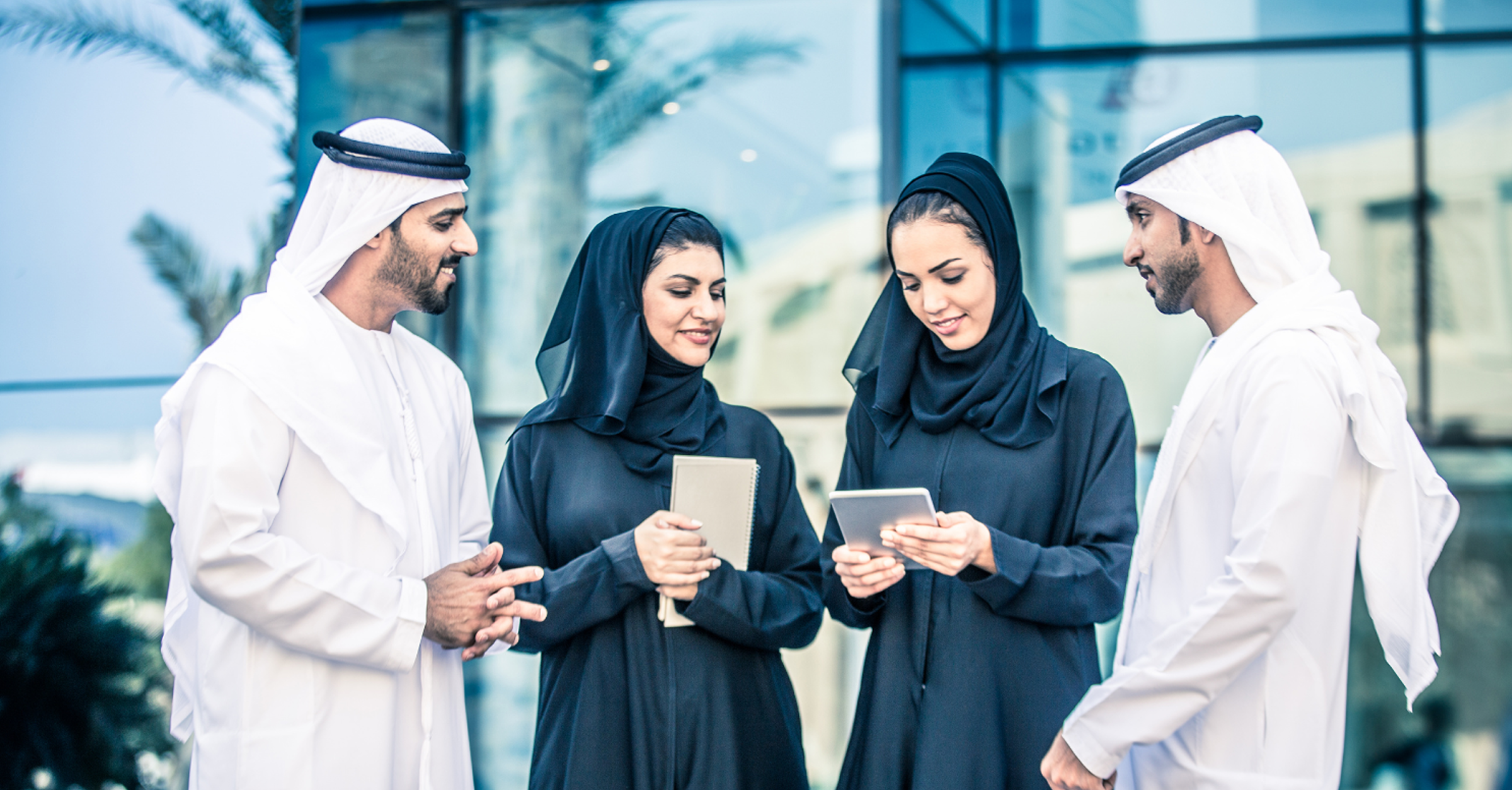
The UAE has built one of the most ambitious sustainability agendas in the world.
From clean energy to smart infrastructure, from economic diversification to future-ready governance, the country doesn’t just talk about sustainability. It executes it at scale.
But inside leadership teams across the UAE, a quieter realization is emerging.
Sustainable growth ultimately depends on sustainable people
Not as a wellness narrative, but as a business reality.
The Pressure Behind the Progress
Spend time with senior leaders in the UAE, and a pattern quickly becomes clear.
Everything is accelerating
AI is moving from experimentation to execution. Decisions are expected in real time. Transformation programs overlap instead of following a clean sequence. Talent is harder to retain. Expectations from boards, investors, and markets are rising.
There is no pause between initiatives anymore.
While organisations have adapted systems and summit-tbilisi-2026-to-explore-the-strategies-driving-sustainable-growth-across-emerging-markets/”>strategies to keep up, one factor hasn’t evolved at the same pace:
Human capacity
Leaders and teams are being asked to sustain a level of intensity that simply didn’t exist a few years ago.
And the impact of that shift is subtle but real.
The Signals Most Organisations Miss
Human strain doesn’t show up dramatically
It builds slowly, often unnoticed.
At first, it looks like everyday friction:
- Decisions take longer than they should
- Meetings lose clarity or direction
- Teams misalign more easily
- Change efforts face quiet resistance
- High performers begin to disengage
Individually, these don’t trigger concern. They are often explained away as normal business challenges.
But collectively, they point to something deeper:
People operating at the edge of sustainable performance for too long
This is where risk begins not immediately, but progressively.
Because unlike operational failures, human capacity erosion doesn’t announce itself. It accumulates until execution starts to weaken.
Why This Matters More in the UAE
The UAE is not a gradual-growth market
It is a high-speed, high-ambition environment.
Transformation is not optional, it is constant.
At a national level, this reality is already recognized. The UAE’s wellbeing agenda reflects an understanding that long-term progress depends not just on systems and infrastructure, but on the resilience of people.
Yet inside many organisations, there is still a disconnect.
Human sustainability is often treated as an HR initiative, something addressed through programs, benefits, or engagement activities.
But that framing is too narrow.
This is not an HR issue. It is an execution issue.
Performance Is the Real Conversation
This discussion is not about adding more wellness programs
It’s about a more fundamental question:
Can your organisation sustain high performance over time?
Because strategies rarely fail due to lack of intent.
They fail in execution
And execution depends on:
- Clear thinking under pressure
- Consistent, high-quality decision-making
- Alignment across teams
- The ability to adapt without fatigue
When people are stretched continuously, these capabilities start to erode.
Not dramatically but enough to slow momentum, increase friction, and create hidden inefficiencies.
By the time the impact becomes visible through attrition, delays, or leadership fatigue the cost is already significant.
What Forward-Thinking Organisations Are Doing Differently
A small but growing group of organisations in the region is beginning to rethink this entirely.
They are shifting the questions they ask.
Not: “How do we improve engagement?”
But: “Where are we creating unsustainable pressure?”
Not: “Are people using our programs?”
But: “Are our systems enabling or draining performance?”
This shift drives a different way of operating.
They identify strain earlier
Instead of waiting for problems to surface, they look for early patterns decision fatigue, overloaded roles, leadership bandwidth constraints.
They redesign how work happens
Much of the pressure isn’t personal it’s structural. Constant meetings, unclear priorities, always-on expectations. These are design choices, and they can be changed.
They measure what matters
Participation rates don’t indicate sustainability
Understanding where pressure sits across roles and teams does.
They use technology more intelligently
AI can increase speed but also pressure. The opportunity is to reduce unnecessary cognitive load, not just accelerate output.
A More Honest Business Case
One reason human sustainability struggles to gain traction at the leadership level is how it’s often positioned.
There’s a tendency to promise clear, short-term financial ROI from wellbeing investments.
In reality, that outcome is not always immediate or measurable.
The stronger case is simpler and more credible:
Human sustainability protects your ability to execute
It helps sustain:
- Decision quality
- Leadership effectiveness
- Retention of high-performing talent
- Stability during transformation
- Organisational resilience under pressure
These are long-term advantages not quick wins.
But in a market like the UAE, they are decisive.
The Shift Leaders Need to Make
The conversation needs to move from:
“How are our people managing?”
To:
“Is the way we operate sustainable for the people driving performance?”
That is not a wellness question.
It is a leadership responsibility.
The Next Chapter of Sustainability
The UAE’s sustainability journey has always been defined by bold, system-level thinking.
Infrastructure. Energy. Governance. Innovation.
The next layer is already emerging.
It’s human.
And the organisations that succeed in the next decade won’t just be the fastest or the most ambitious.
They will be the ones that understand a simple but critical truth:
If performance is pushed beyond human sustainability, it doesn’t scale, it breaks.