
Ray, a Dubai-based power bank-sharing company, is expanding into the United States, using New York City as the launchpad for its wider push into the American market. The company is piloting 120 charging stations across Manhattan, where users rent a portable power bank by tapping a bank card, Apple Pay or Google Pay at a station, and return it to any other station in the network.
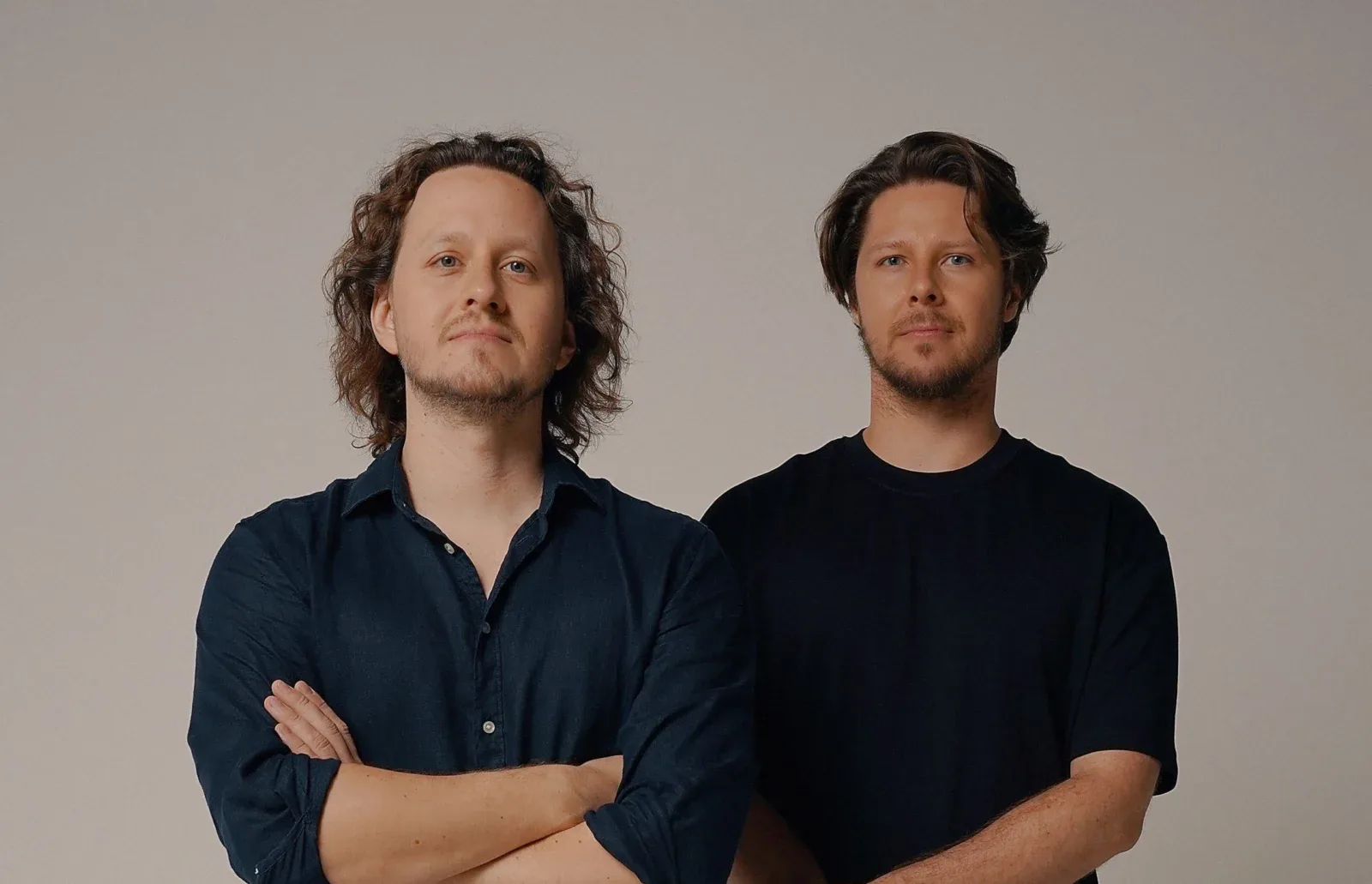
Founded in 2025 by Igor Kosolap and Roman Averianov, Ray began operating charging stations in restaurants, cafés, gyms and other public venues across the UAE. The company launched in Dubai and Abu Dhabi in late 2025, raising a $1.2 million seed round, and now runs around 600 stations in the UAE. Ray is also part of the current Grishin Robotics accelerator cohort.
Dubai gave Ray the room to build and test its stations before expanding abroad. Moreover, the UAE ranks among the world’s top five countries for how easily start-ups reach international markets.
“Other companies tried to build this before us in the USA. Between 2018 and 2019, several start-ups put most of their funding into building IT platforms, and COVID hit before they could scale the network itself. We get to start from a different place, as our platform is already built and running in the UAE, so we can put our focus into building out the charging network in the US,” said Roman Averianov, CEO of Ray USA and co-founder of Ray.
New York is Ray’s first market in the United States, chosen for its density, transit access, and visitor numbers. The city drew 65 million visitors last year, generating $84.7 billion in economic impact. The New York City database lists around 31,300 food service establishments across the five boroughs, including roughly 12,500 in Manhattan.
The company’s network also covers gyms, hospitals, transit hubs, gaming venues, and hotel lobbies, and it estimates the city’s eventual capacity at more than 25,000 stations. Ray’s model extends the microinfrastructure idea, letting people collect a charged battery and keep moving.
“We see huge potential in the US, with New York as our starting point. Based on our experience in the UAE, the local market can support more than 300,000 stations against fewer than 10,000 today. It is barely built, and we plan to change that,” said Igor Kosolap, co-founder of Ray and CEO of Ray Global.
Ray’s estimate is based on comparing station density across markets. China runs more than 6 million stations, or about 4.3 per 1,000 people, while the US currently sits at roughly 0.04 stations per 1,000 people, by the company’s count. That gap, more than a hundredfold between two of the world’s largest economies, was too wide to overlook. Ray works from a benchmark of one station per 1,000 people for adequate urban coverage, which is how it arrives at its 300,000-station estimate for the United States.
Americans reportedly begin to feel anxious about their phone battery once it falls to an average of 38%, even though most phones issue a low-battery warning at 20%.
The US launch forms part of a broader international strategy for Ray. Having built and proven its platform across the UAE and eight other countries, the company is using its Middle East base to expand into new markets, with New York serving as its entry point into North America. Ray aims to become the leading operator in the New York market within its first year and to capture at least a third of the US market over time.
About Ray
Ray is a UAE-based company building a powerbank-sharing network for urban environments and hospitality venues. The company is the first in the MENA region to offer app-free rentals via tap-to-pay, with no account registration required. Since launching in November 2025, Ray has deployed more than 500 stations across the UAE and is targeting 1,300+ active stations by the end of the year 2026, on its way to becoming the market leader in GCC charging infrastructure. Ray’s network runs on an in-house IT platform, built by its own team, that already powers powerbank-sharing services under multiple brands in 9 countries.