
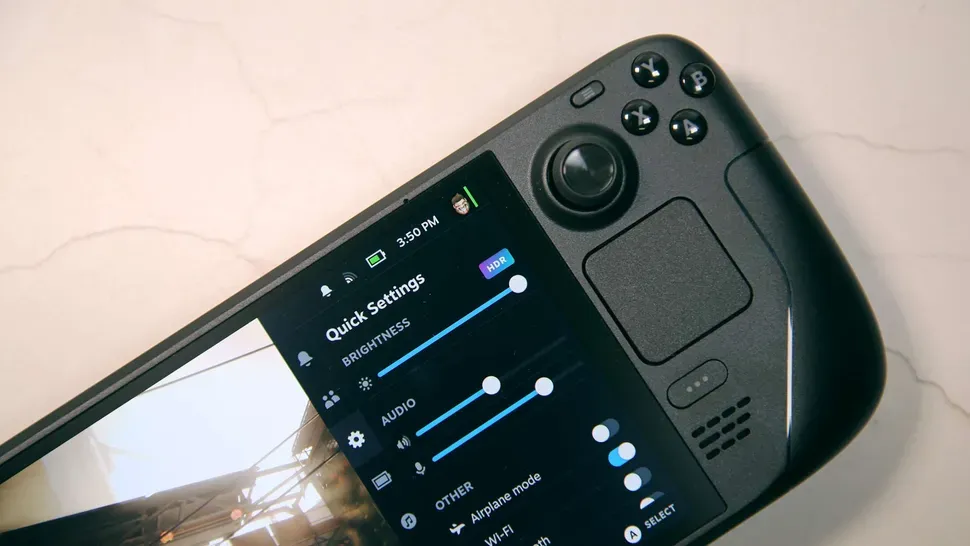
Valve has acknowledged that the Steam Deck OLED handheld gaming device is facing intermittent stock shortages in several markets as supply constraints for memory and storage components intensify across the technology sector. A notice on the Steam Deck store page states that the 512GB and 1TB OLED configurations “may be out-of-stock intermittently in some regions due to memory and storage shortages,” underscoring mounting production challenges for the company’s flagship portable console.
The unavailability is most acute in the United States and parts of Asia, where official stock listings show all three Steam Deck models marked as unavailable at Valve’s storefront. The company attributed this directly to global shortages in RAM and NAND flash storage, driven by surging demand from data-intensive industries, including artificial intelligence and cloud computing infrastructures.
Industry analysts point to a broader memory market strain that began to manifest last-16-in-dubai/”>last year as AI-driven server deployments gobbled up large portions of the semiconductor supply chain, leaving fewer chips for consumer devices. The resulting supply squeeze has been widely reported to push up prices for memory and storage, complicating manufacturing and pricing strategies for electronics makers. Valve’s own acknowledgment of these constraints places one of the gaming sector’s most popular handhelds squarely at the centre of these market pressures.
Gamers seeking the OLED model have reported that online listings show unavailable inventories in the U. S., Japan and other regions, with some European retailers still reporting limited availability. Valve’s store message does not specify when stock might stabilise or supply improve, an uncertainty that has rippled through enthusiast communities and secondary markets alike.
The shift in availability marks a significant departure from the product’s position last year, when OLED units were widely distributed following its launch. The company had already discontinued the lower-cost LCD version of the Steam Deck in December, leaving OLED variants as the primary consumer hardware offering in its handheld lineup. Valve emphasized on its store page that the LCD model will not return once existing inventory is depleted.
Memory shortages of this scale have implications beyond the Steam Deck itself. The constraints have reportedly led Valve to revisit the launch plans for its Steam Machine and Steam Frame projects, originally targeted for early shipments this year. Company statements have signalled pricing and timeline adjustments, reflecting the difficulty in securing essential components at predictable costs.
Analysts have also noted that major console makers are facing similar headwinds. Soaring memory prices have been linked to potential delays in next-generation video game hardware releases, with speculation that flagship products from other manufacturers may see adjusted release windows or price points as a result of the cost environment. While Valve’s hardware niche is comparatively smaller than that of global console giants, the impact on its supply provides a microcosm of the broad challenges affecting the interactive entertainment hardware market.
Consumers have responded to the shortages with mixed sentiment. Enthusiasts active on online forums are debating whether current stock levels portend a temporary setback or signal a more enduring pause in production. Comments from users highlight frustration over the timing of the shortages, particularly as interest in handheld gaming devices remains strong in the face of competitive alternatives from other manufacturers.
The scarcity has also affected resale values for existing units. With official inventories thin in some regions, used and refurbished Steam Decks have been trading at premium levels compared with their original retail prices, reflecting persistent demand amid constrained new supply. Some owners have reported higher prices on secondary marketplaces, an indicator of how limited availability has shifted pricing dynamics for the handheld market.
Supply chain watchers emphasise that the resolution of these shortages depends heavily on how quickly memory and storage production can scale to meet both AI infrastructure requirements and consumer demand. Manufacturers of DRAM and NAND flash have prioritised high-density chips for enterprise and data centre uses, creating a bottleneck for segments like gaming hardware that rely on more mainstream memory configurations.
Notice an issue?
Arabian Post strives to deliver the most accurate and reliable information to its readers. If you believe you have identified an error or inconsistency in this article, please don’t hesitate to contact our editorial team at editor[at]thearabianpost[dot]com. We are committed to promptly addressing any concerns and ensuring the highest level of journalistic integrity.