
Behind every earnings report and expansion plan in today’s UAE sits an unquantified line item: the psychological cost of operating amid sustained regional uncertainty. The country’s economic fundamentals remain comparatively strong, but the human nervous system does not read balance sheets.
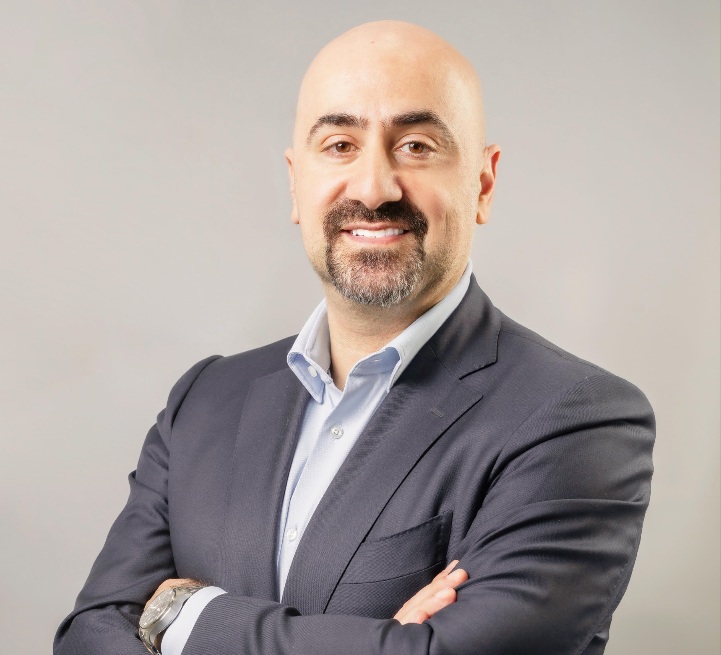
Dr Joseph El-Khoury, Co-founder, CEO and Medical Director of The Valens Clinic in Dubai, is urging boards, founders and chief executives to treat leadership mental health as a governance and business-continuity issue — not a private concern to be managed behind closed doors. For the entrepreneurs, executives and workforces who animate the UAE economy, prolonged instability can exact a quieter, cumulative toll.
A climate of uncertainty
Uncertainty is, in itself, a psychological stressor. From a clinical perspective, prolonged ambiguity can keep the body’s threat response activated, eroding sleep, concentration and judgement. For businesses, the effects surface in hiring freezes, deferred decisions and the low-grade dread of planning around events no one can predict.
The economic backdrop makes that pressure concrete. ICAEW’s Q2 2026 Middle East Economic Update forecasts a 4.1% contraction in Middle East GDP this year, compared with a 3.6% expansion projected before the current conflict, alongside a 30% decline in inbound arrivals to the GCC. The report also says non-oil activity in the UAE and Saudi Arabia showed signs of recovery in May, a reminder that resilient fundamentals and sustained psychological pressure can coexist.
The human picture extends beyond the current outlook. In a 2022 McKinsey Health Institute survey of more than 4,000 employees in Saudi Arabia, Kuwait, the UAE and Qatar, 66% said they had experienced at least one mental-health challenge at some point in their lives, while one in three reported burnout symptoms. The concern also sits squarely within the UAE’s policy direction: the National Strategy for wellbeing 2031 includes promoting good mental health among its strategic objectives.
The weight carried by leaders
Nowhere is this burden more concentrated than at the top. Founders and chief executives absorb the anxieties of their staff, investors and families while being expected to project unwavering composure. That expectation is costly, especially when chronic uncertainty is already affecting sleep, concentration and judgement.
“There is a lot of wishful thinking that this will just pass once the economic situation improves, but the psychological damage can sometimes be irreversible regardless. This is the message that needs to be heard.”
Dr Joseph El-Khoury, Co-founder, CEO and Medical Director, The Valens Clinic, Dubai
Dr El-Khoury said the resistance to acknowledging the problem and seeking professional help is visible in his clinical practice in Dubai. Leadership isolation compounds it. Stigma is only one layer; shame can convince a leader that struggling signals personal weakness rather than a predictable response to sustained pressure. Ego, built over years of being the person who solves problems, can make asking for help feel unfamiliar and exposing. Underneath both sits conditioning: the cultural and family messaging that equates composure with worth and vulnerability with liability.
“The executives I coach and the leadership teams I train are all learning the same thing: emotional skill is leadership skill. The ones who build a toolkit of self-awareness, compassion for themselves and others, and an adaptable mindset lead with more clarity, communicate with more precision, and build teams that feel safe to grow. Corporate wellbeing works when leadership treats it as part of their own growth and models it publicly.”
Rahaf Kobeissi, Founder, Rays Your Mental Health
The stakes extend beyond the individual. A leader running on depleted emotional and cognitive reserves may make more volatile decisions, communicate less clearly and inadvertently transmit stress through the organisation. The World Health Organization estimates that depression and anxiety cost the global economy US$1 trillion each year, predominantly through lost productivity.
From endurance to strategy
True resilience is not simply endurance. It is the capacity to process pressure, recover and preserve judgement, and it is built deliberately over time. For the UAE business community, that means making leadership mental health part of the infrastructure of how a company operates.
- Normalise help-seeking from the top down. A chief executive who responsibly acknowledges coaching, therapy or structured recovery time gives the wider organisation permission to seek support without disclosing private clinical details.
- Build genuine peer networks. Create confidential forums where founders and executives can voice pressure without reputational risk, supported where appropriate by qualified coaches with proven experience.
- Embed psychological safeguards into governance. Boards routinely monitor financial and operational risk; regular wellbeing check-ins, realistic workload reviews and succession planning should form part of the same discipline.
- Invest in early, accessible clinical support. Confidential access to qualified mental-health professionals before crisis point protects both the individual and the continuity of the business.
- Reframe wellbeing as a performance indicator. Track valid, reliable and aggregate measures alongside revenue and retention, while protecting individual privacy and avoiding unsupported diagnoses.
- Set a budget for emotional work. Fund therapy, coaching and structured development with the same consistency as skills training, and review whether group insurance provides meaningful psychiatric and psychological cover.
In turbulent times, the wellbeing of the person at the helm may be the most undervalued line on the balance sheet. It is also the investment many leaders avoid or delay — for themselves and for their employees.